Nutrient Farm
Bean Pinto Dry (Organic)
Bean Pinto Dry (Organic)
No se pudo cargar la disponibilidad de retiro
Pinto beans are a variety of the common bean (Phaseolus vulgaris), one of the most popular dry beans in the United States and a staple of Mexican and Southwestern cuisine. The name comes from the Spanish word pinto, meaning “painted” or “speckled,” referring to their distinctive appearance.
Appearance
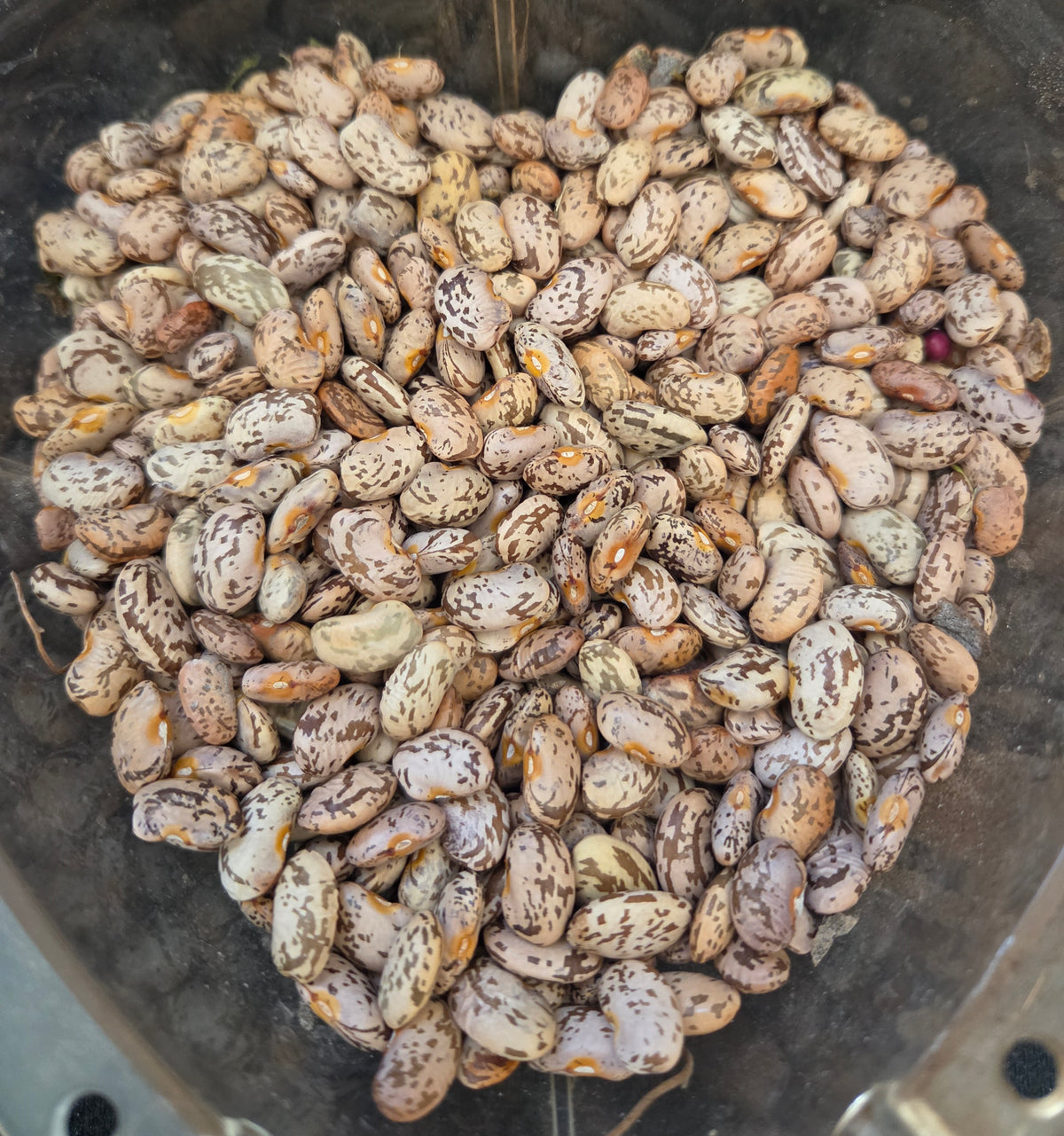
Dried pinto beans are medium-sized, oval, and slightly flattened. They have a pale beige or light tan background covered with irregular reddish-brown or maroon speckles and streaks. When cooked, the mottling fades and the beans turn a uniform soft pinkish-brown or light brown color. Young pods can also be harvested and eaten as green beans.
Origin and History
Pinto beans were domesticated in Mesoamerica (primarily what is now Mexico and Central America) thousands of years ago, with archaeological evidence of common bean cultivation dating back roughly 6,000–7,000+ years. They were grown by Indigenous peoples alongside corn and squash as part of the traditional “Three Sisters” system. The Spanish encountered them in Mexico and spread them further; they later became a major crop in the American Southwest and are now the most consumed dry bean in the U.S.
Flavor and Texture
Cooked pinto beans have a mild, earthy, slightly nutty flavor with a subtle natural sweetness. Their texture is creamy and soft—they mash easily and hold up well in long cooking, making them ideal for refried beans. The thin skins become tender, contributing to a smooth mouthfeel compared to firmer beans like kidney beans.
Culinary Uses
Pintos are extremely versatile:
- Whole in soups, stews, chili, and frijoles de la olla
- Mashed and refried (frijoles refritos)
- As a filling for burritos, tacos, enchiladas, and quesadillas
- In salads, rice dishes, or simply seasoned as a side
They pair especially well with Mexican and Southwestern flavors (cumin, chili, onion, garlic, cilantro, lime). Both dried and canned forms are widely available; dried beans are usually soaked and then simmered or pressure-cooked.
Nutrition
One cup (about 171 g) of cooked pinto beans (no added salt) typically provides approximately:
- 245 calories
- 15 g protein
- 15 g fiber
- 45 g carbohydrates
- 1 g fat
- High levels of folate (around 70%+ of daily value), iron, magnesium, potassium, phosphorus, and thiamine
They are low in fat, cholesterol-free, and have a relatively low glycemic index. The combination of protein and fiber makes them filling and supportive of steady blood sugar. Colored varieties of beans in general can also provide antioxidants.
Nutrient Farm Vegetables are produced with the highest levels of farming stewardship.
Share